WELCOME TO OUR BLOG

Earth Day 2026: Our Power, Our Planet

April 22, 2026

Earth Day: Our Power. Our Plant.

Every day, lead batteries quietly power the moments we rely on most, from starting our vehicles to supporting critical backup systems in hospitals, data centers, and essential infrastructure. They are a dependable, proven energy source that keeps modern life moving.

That’s our power.

Just as important is what happens at the end of a battery’s life. Across the United States, a well-established recycling system ensures these batteries are not discarded, but instead collected, processed, and returned to productive use again and again. This closed-loop approach reflects a long-standing commitment to conserving resources and reducing waste.

That’s our planet.

Essential applications supported by lead batteries.

Powering Everyday Life

Lead batteries are essential to modern life. They provide reliable, proven energy for transportation, communications, and backup systems that communities depend on every day. From passenger vehicles to emergency power systems, their role is both widespread and critical.

Equally important, they are designed with their full lifecycle in mind, making them a cornerstone of a sustainable, circular energy ecosystem.

Protecting the Planet Through Circularity

Lead batteries have a 99% recycling rate in the U.S., making them the most recycled consumer product in the country. Each year, more than 160 million used batteries are recovered and returned to productive use.

This closed-loop recycling system delivers measurable environmental and economic benefits:

  • Nearly 70% of U.S. lead supply comes from recycled materials
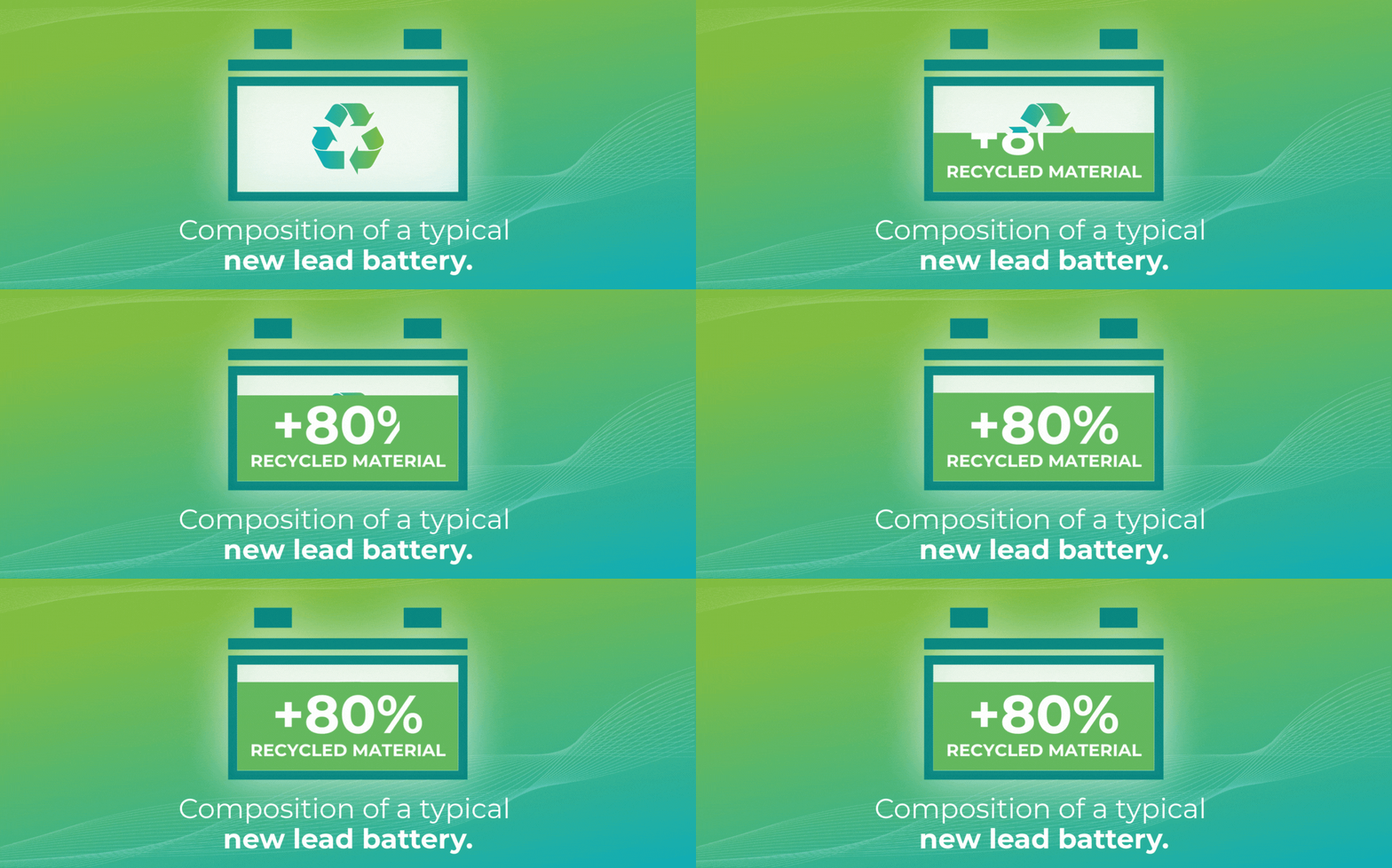
  • New batteries are made with up to 80% recycled content
  • Recycling uses 90% less energy and produces 90% fewer emissions than mining new materials
  • Valuable materials are kept in circulation and out of landfills
Animation showing lead batteries are made of 80% recycled material

This is how the industry reduces waste, conserves resources, and delivers real environmental impact at scale.

The Role of ABR Members

Behind this system are the members of ABR.

Through safe, responsible operations and continued investment in advanced recycling technologies, ABR members help ensure that lead battery recycling remains efficient, reliable, and environmentally sound.

Their work:

  • Supports American jobs and domestic manufacturing
  • Strengthens supply chain resilience for critical materials
  • Helps protect communities and natural resources

Together, they sustain a system that delivers both economic value and environmental progress.

Our Power. Our Planet. Every Day.

Earth Day is a reminder of what’s possible when industries take responsibility for both performance and sustainability.

The lead battery recycling industry demonstrates that powering everyday life and protecting the planet can go hand in hand – not just on Earth Day, but every day – through strong infrastructure, shared responsibility, and a commitment to continuous improvement.

Posted in: News

Tags:

From Garage to Grid: The Battery You Replaced Is Still Powering America

March 15, 2026

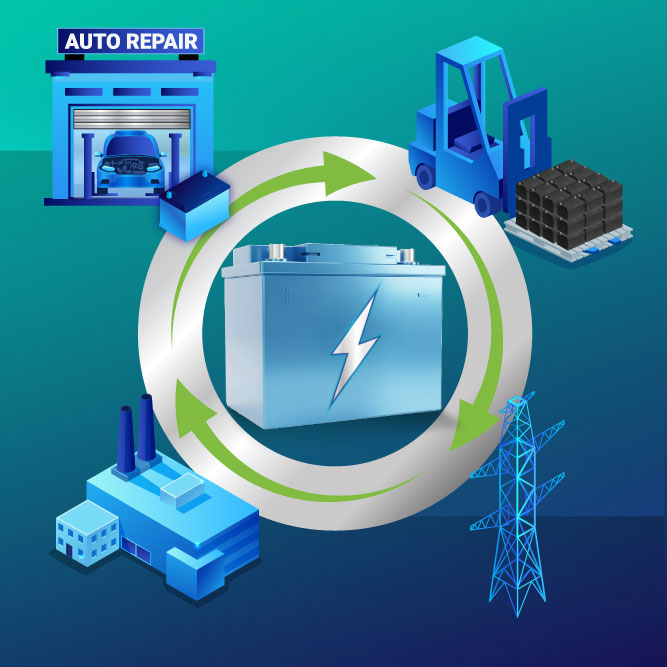
Car battery recycling loop from garage to grid.

Whether you swapped out your car battery in the driveway or had it replaced at your local shop, the moment you handed over the old one set something remarkable in motion. That battery didn’t end up in a landfill. It entered one of the most efficient recycling loops in the world. Within months, the components inside it were back in circulation — powering another vehicle, a hospital backup system, or a forklift moving goods across a warehouse floor somewhere in the United States.

On Global Recycling Day, that’s the story worth telling.

The Battery’s Journey

Every year, more than 160 million used lead batteries are collected across the U.S. They come from auto service centers, retailers, industrial facilities, and garages. At 99%, lead batteries have the highest recycling rate of any consumer product in the country.

At U.S. recycling facilities, nearly every component can be recovered or reused — the plastic casing, the acid, and the federally designated critical minerals: lead, antimony, and tin. The recovered minerals are refined into lead alloys, with antimony often added to harden them, then sold to domestic battery manufacturers as ready-to-use raw material. The typical new lead battery contains at least 80% recycled material.

That’s not just a sustainability talking point. It’s how the supply chain actually works.

Why “Recycled” Means “Domestic Supply”

The United States produces zero primary refined lead. No domestic smelters produce lead from newly mined ore. What that means in practice: without recycling, American manufacturers would depend entirely on imports for a material that powers nearly 300 million vehicles, hospital backup systems, military installations, and data centers.

Metallic periodic table symbol for lead (Pb), representing element 82, against a blue gradient background.

Instead, 70% of total U.S. lead demand is met through domestic recycling. In November 2025, the U.S. Geological Survey formally recognized what the industry has long known, adding lead to the Final 2025 List of Critical Minerals. It joins antimony and tin on that list, two other critical minerals recovered in the same recycling process.

Lead battery recycling is essentially the only domestic source of antimony in the United States. When China banned antimony exports in December 2024, prices doubled overnight. Domestic recyclers kept supplying it for battery products without interruption. That’s what supply chain resilience looks like in practice.

Keeping Batteries in the U.S.

There’s one threat to this loop that doesn’t get enough attention: unlawful exports of spent lead batteries. When used batteries leave the United States, the critical minerals inside them leave too. The lead, antimony, and tin that should be feeding American manufacturing go overseas instead.

Every battery that leaves illegally is a battery that doesn’t come back as domestic material. The regulations to protect this supply chain already exist. Enforcing them is the next step.

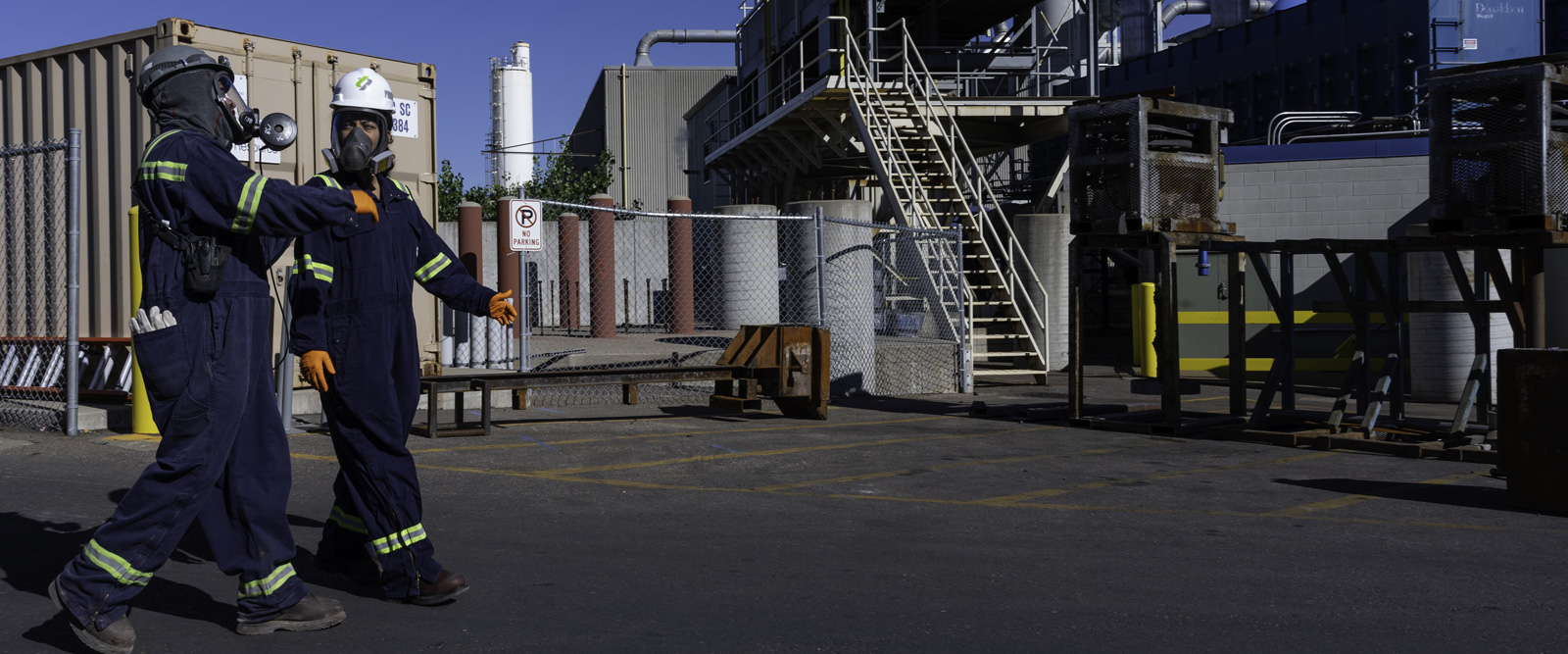
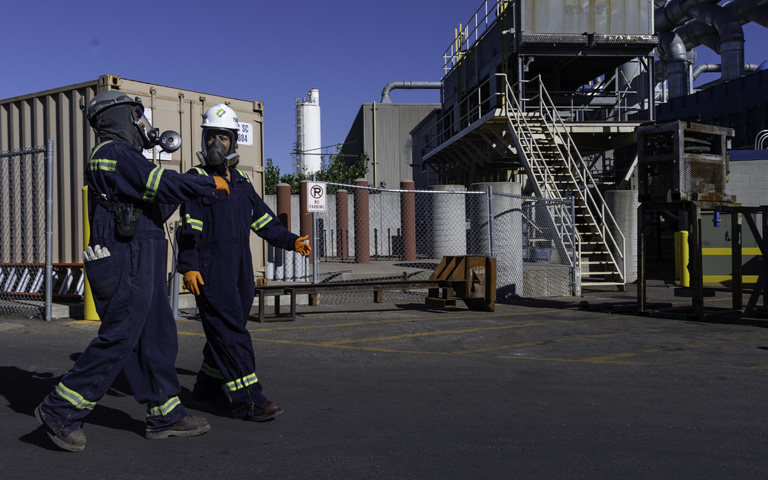
Lead battery recycling employees walking outside of the recycling plant.

The People Powering the Loop

Behind that 99% recycling rate of batteries staying in the U.S. are the workers and facilities that show up every day to make it happen. These are local employers with deep roots in their communities, operating under strict environmental and safety standards. The infrastructure they’ve built over decades is what keeps this supply chain reliable and domestic.

On Global Recycling Day, the Association of Battery Recyclers and its members recognize not just the environmental value of what this industry does, but the economic and strategic value it delivers to communities and the country. From the garage to the grid, recycled batteries keep America powered.

Posted in: News

Tags:

Battery Day 2026: Yesterday’s Batteries. Tomorrow’s Power.

February 16, 2026

ABR Battery Day Logo Feb 18

Every February 18, we pause to appreciate something most people never think about: the humble lead battery. It sits quietly under the hood. It stands ready in hospitals, data centers, telecom facilities, and energy‑storage hubs. It powers forklifts through another shift, often unnoticed but always essential.

But this year feels different.

This year, for the first time, the federal government officially recognizes what we’ve known all along. Lead is a critical mineral. And the work happening across lead battery recycling facilities isn’t simply recycling — it’s critical minerals recoverydomestic supply security, and national infrastructure protection.

ABR Battery Day Logo Feb 18

The Tagline That Says It All

When we created the new Battery Day logo, we set out to capture the reality of what happens inside recycling facilities every day.

Because it really is remarkable.

A worn‑out battery arrives at a recycling plant. Through precise chemistry, high‑temperature processing, and deep technical expertise, it’s transformed back into critical minerals: lead, antimony, and tin.

Those materials flow directly to manufacturers who build new batteries — batteries that will power cars, stabilize the grid, support emergency systems, and keep essential facilities operating.

Most people will never realize that materials inside their new battery have likely been doing this work for decades.

Infinite cycles. Zero degradation. The same critical minerals, repurposed again and again.

If that’s not tomorrow’s power, what is?

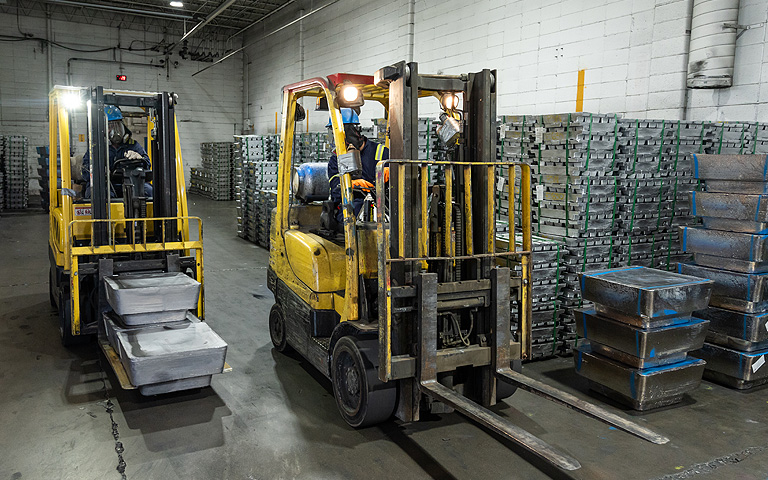
Stack of lead ingots, a U.S. critical mineral.

Why This Battery Day Matters More Than Ever

This year’s Battery Day lands at a pivotal moment.

Lead has been formally designated on the federal Critical Minerals List. Global antimony restrictions have revealed how fragile supply chains can be. AI growth is reshaping electricity demand. And conversations about grid resilience, backup power, and domestic manufacturing are happening at every level of government and industry.

But maybe the shift is even simpler.

Maybe people are finally realizing what this industry has always understood:

You can’t build new batteries without the materials recovered from old ones.

Domestic supply security isn’t an abstract policy concept; it’s the daily output of America’s lead battery recyclers.

To Everyone Who Makes This Possible

To the operators managing furnaces at precise temperatures to recover three critical minerals at once.
To the drivers collecting batteries from hundreds of thousands of locations across the country.
To the engineers who continually refine and improve recovery processes.
To the safety teams ensuring every shift ends with everyone going home healthy.
To the business leaders navigating complex regulations while keeping materials flowing to manufacturers.

This Battery Day, we recognize you.

Your work recovers the critical minerals that power tomorrow — the data centers running AI, the hospitals protecting patients, the forklifts moving essential goods, the vehicles starting on cold mornings, the emergency systems standing ready when the grid falters.

Every one of those applications depends on lead batteries.
And every lead battery depends on the minerals you recover from yesterday’s batteries.

You’re not only in the recycling business.
You’re in the critical minerals business.
You’re in the supply‑security business.
You’re in the tomorrow business.

The Circle Continues

Somewhere right now, a car won’t start. A driver will call for help, get a jump, and head to an auto parts store. A new battery will go in. The old one will be collected, shipped to a recycling facility, and begin its next journey — the next chapter in a process that has powered America for generations.

Yesterday’s battery becomes tomorrow’s power.

The circle continues because you make it possible.

Happy Battery Day from everyone at ABR.
And thank you — truly — for the critical work you do every day.

Posted in: News

Tags:

Lead Joins Critical Minerals List: A Milestone for Battery Recycling

February 11, 2026

Lead ore and ingots announcing lead joining the U.S. critical minerals list.

The U.S. Geological Survey announced major news in November 2025: lead has been added to the Final 2025 List of Critical Minerals. For ABR members, this designation validates what we’ve always known—battery recycling is essential infrastructure that secures America’s domestic supply of critical materials.

This isn’t just symbolic recognition. Lead joins 59 other minerals deemed essential to economic and national security while facing supply chain vulnerabilities. The designation opens doors for recycling infrastructure to receive appropriate recognition in federal investment programs, supply chain assessments, and policy frameworks.

Why This Matters Now

The U.S. produces zero primary lead. Lead concentrates from domestic mines are exported for processing. Without battery recycling, we would depend entirely on foreign imports for a material that powers nearly 300 million vehicles, hospital backup systems, military installations, and critical infrastructure nationwide.

U.S. lead battery recycling supplies 70% of domestic lead demand by recovering materials from over 160 million batteries annually at a 99% recycling rate. We’re not just recycling batteries—we’re operating the domestic recovery infrastructure that keeps America’s essential systems running.

A Real-World Test of Supply Chain Resilience

The strategic importance of domestic recycling became clear in December 2024 when China imposed export restrictions on antimony—another critical mineral recovered during battery recycling. Antimony prices doubled overnight. Industries dependent on Chinese imports faced immediate uncertainty.

Lead battery recyclers continued operations, recovering antimony alongside lead and tin from the same recycling stream. When foreign supply chains failed, domestic infrastructure proved its reliability.

The Export Challenge

However, unlawful exports of spent lead batteries threaten this domestic supply security. These exports allow critical minerals—lead, antimony, and tin—to leave the United States and North America circular economy, undermining the infrastructure ABR members have built.

Curtailing unlawful exports would allow current recycling facilities to operate at full capacity and encourage investment in future expansion. Enforcing existing regulations protects the critical minerals infrastructure that keeps America’s essential systems running.

What Comes Next

Critical minerals designation informs federal investment priorities, trade policy, workforce development, and research funding. Lead’s inclusion creates opportunities for the recycling sector to participate in conversations traditionally dominated by mining interests.

This recognition matters because when an industry supplies 70% of domestic demand for a critical mineral while achieving the highest recycling rate of any consumer product, it deserves acknowledgment proportional to its contribution.

For ABR members, the work continues as it always has—recovering critical minerals, supporting domestic manufacturing, and proving that circular economy infrastructure delivers both environmental and strategic value.

Dive Deeper into Critical Minerals Recovery

Want to understand the full scope of critical minerals recovery through battery recycling? Visit our new webpage: Critical Minerals & Battery Recycling to explore how the industry secures a domestic supply of lead, antimony, and tin while supporting communities nationwide.

Posted in: News

Tags:

Blood Lead Programs: Best Practices from ABR Member Leaders

January 27, 2026

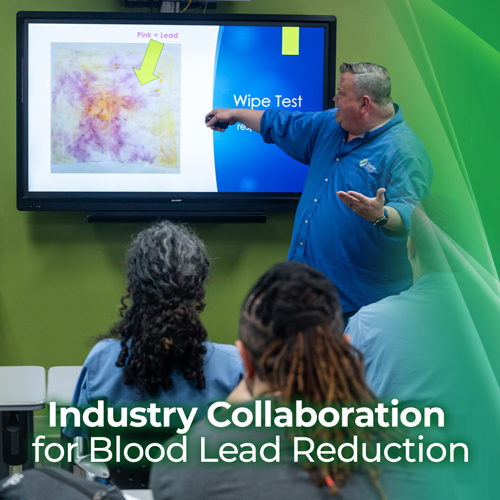
Employees at a lead battery recycling facility training on safety protocols designed to reduce lead exposure.

The Association of Battery Recyclers (ABR) recently brought together industry leaders for an in-person member meeting, reinforcing the organization’s long-standing commitment to collaboration and the advancement of best practices across the lead battery recycling sector. With multiday meetings held twice each year, these gatherings provide an important forum for members to exchange insights, address shared challenges, and work collectively toward a safer, more sustainable industry.

A central focus of the meeting was continued blood lead reduction, a critical priority that reflects the industry’s deep commitment to protecting its most valuable asset: its people. Among the highlights was a panel discussion featuring representatives from Ecobat and Element Resources, who shared their comprehensive approaches to blood lead programs and the proactive steps they’re taking to safeguard employee health.

Collaborative Learning in Action

The panel discussion exemplified the collaborative spirit that defines ABR meetings. Jenn Meglic, Director of Health, Safety & Workers’ Compensation at Element Resources, joined Mark Hoffman, Environmental Director at Ecobat, to present their respective blood lead programs. The presentation covered key elements including blood lead monitoring protocols, employee counseling approaches, facility design considerations, and creative engagement activities designed to reinforce safe hygiene practices.

An interactive question-and-answer format allowed participants from across the industry to explore specific challenges and solutions. Attendees shared practical implementation strategies, from establishing effective decontamination procedures to developing incentive programs that encourage employees to maintain safe blood lead levels.

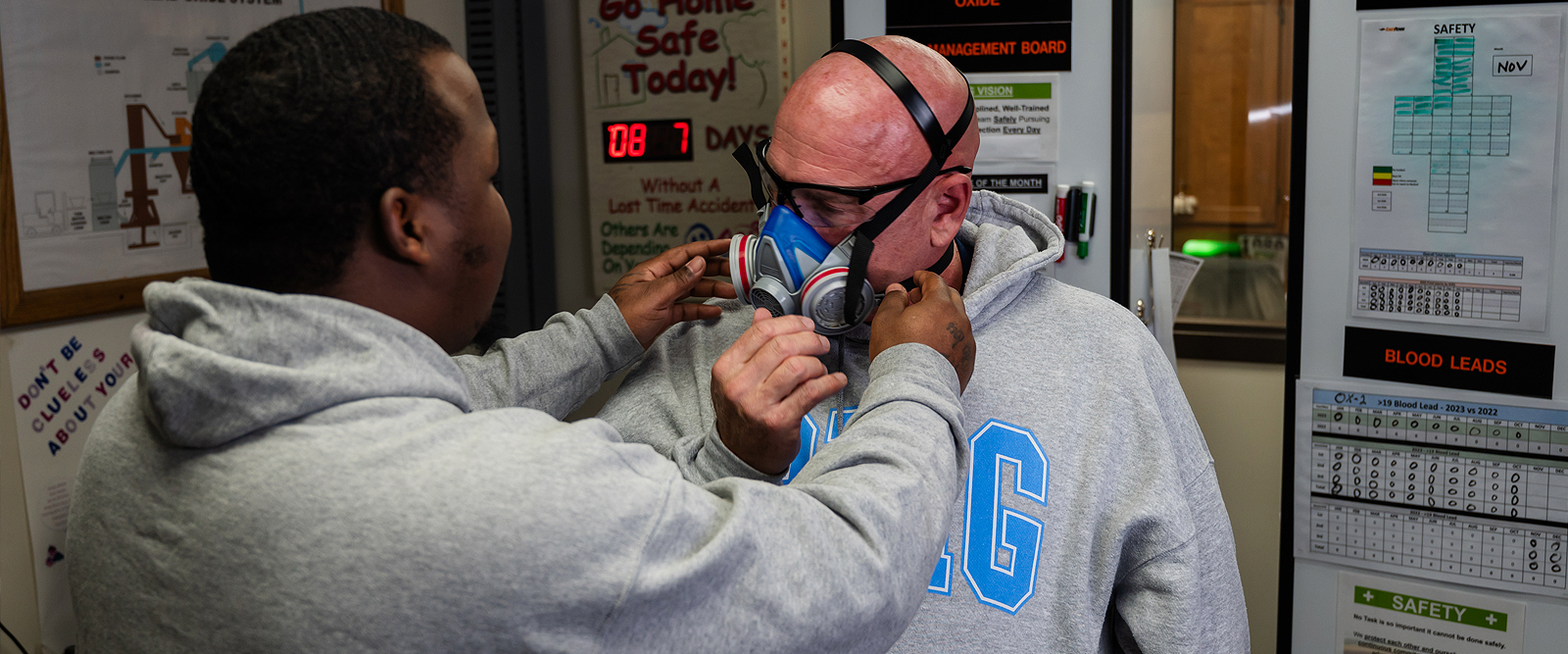
Lead battery recycling employee mentoring of how to secure respirator to reduce lead exposure.

Putting People First: A Commitment to Employee Well-Being

The strategies shared during the panel went beyond compliance and demonstrated a genuine commitment to employee health and safety. Both companies emphasized that their workforce represents their greatest asset, and protecting workers from lead exposure isn’t just good policy, it’s the right thing to do.

The programs highlighted during the session included structured mentoring and regular counseling that create consistent, supportive touchpoints with employees. These efforts help individuals understand and manage their blood lead levels through ongoing communication and personalized guidance. This human-centered approach recognizes that success depends on partnership between safety teams and employees, built on trust, education, and mutual respect.

From weekly counseling sessions to creative engagement activities like the “No Touch Food Challenge,” these programs make safety personal and memorable. They reinforce the idea that behind every blood lead number is a person, someone’s family member, colleague, and friend, whose health and well-being matters deeply to the organization.

Advancing Industry Standards Together

This type of open knowledge sharing reflects the fundamental value of ABR membership. When companies openly discuss their blood lead programs, including both successes and ongoing challenges, the entire industry benefits. The meeting demonstrated how battery recyclers are working together to advance industry practices, apply proven strategies, and continuously improve employee safety outcomes.

Topics covered during the panel included:

  • Comprehensive monitoring programs with quarterly and monthly blood draws
  • Structured mentoring and counseling protocols for employees
  • Facility design and workflow considerations to minimize cross-contamination and exposure reduction
  • Employee engagement activities that make control practices memorable and effective
  • Ventilation studies and engineering controls to address air lead
  • The critical role of hygiene practices
Lead battery recycling employee scrubbing her nails to reduce lead exposure.

Building on a Strong Foundation

The North American lead battery recycling industry has established itself as a leader in occupational health management, with blood lead programs that consistently deliver strong results. Through significant investments in ventilation systems, facility design, monitoring protocols, and employee training, the industry has achieved blood lead levels that reflect best-in-class performance.

The discussions reinforced a culture of continuous improvement, driven not by compliance alone, but by a commitment to excellence. Companies are actively working to incorporate emerging technologies, refine established practices, and remain at the forefront of worker health and safety.

Looking Ahead

As the lead battery recycling industry continues to advance environmental sustainability and circular economy principles, the focus on blood lead reduction and employee health remains paramount. The insights shared at this ABR member meeting reinforced that responsible recycling means protecting both the environment and the people who make this essential work possible.

The dedication to blood lead reduction highlighted through these discussions reflects a broader industry truth: when companies invest in employee health and safety, everyone benefits. Healthier employees, stronger operations, and a more sustainable industry are all outcomes of prioritizing blood lead control.

ABR’s semi-annual member meetings continue to serve as vital forums where companies of all sizes can learn from one another, build relationships, and strengthen the industry’s collective commitment to excellence. By sharing best practices on critical topics like blood lead reduction, ABR members are helping ensure the lead battery recycling industry sets the standard for safe, sustainable operations that put people first.

For more information about ABR membership, visit Membership Information.

Posted in: News

Tags:

Powering Tomorrow, Together

December 22, 2025

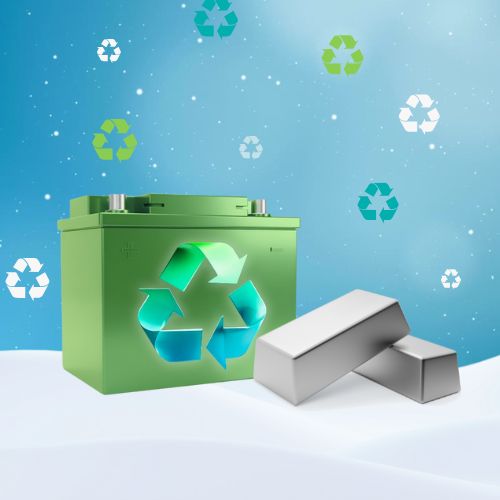
Illustration of a winter scene with a recyclable lead battery and recycled lead ingots from lead battery recyclers.

This season, we reflect on cycles renewed,
On lead batteries reborn and purpose pursued.
From recycling today to powering tomorrow,
ABR members help build a future with promise to follow.

Through proven processes, with safety at the core,
Critical minerals recovered and returned once more.
Lead reused again and again, reliable and sure,
Powering energy storage that is resilient and secure.

With care for our people, our communities, and land,
Together we close the loop, united hand in hand.
As the year draws to a close and a new one appears,
We celebrate the progress and collaboration with our peers.

Wishing peace, progress, and joy as the year ends,
Happy Holidays from ABR, to our members, partners, and friends.

Posted in: News

Tags:

America Relies on Recycled Lead: The First Link in Our Nation’s Supply Chain

November 10, 2025

In Celebration of America Recycles Day 2025

When we think about national security, economic resilience, and industrial strength, we often picture high-tech factories, energy grids, and advanced defense systems. But none of these would function without a reliable supply of critical materials—starting with lead, and the U.S. recyclers who recover it. This America Recycles Day, it’s time to recognize that our recycling industry isn’t just about sustainability—it’s the first and most essential link in a supply chain that powers everything from hospitals to data centers to national defense.

Lead: Now Officially a Critical Mineral

Lead is more than a basic metal—it’s a strategic resource. In November 2025, the U.S. Geological Survey officially designated lead as a critical mineral on the final 2025 List of Critical Minerals due to its essential role in:

  • Backup power for hospitals and healthcare systems
  • Data centers and AI infrastructure
  • Telecommunications networks
  • Forklifts and warehouse logistics
  • Automotive and transportation power
  • Military and emergency response systems

These systems rely on lead batteries for reliable, resilient energy storage. Without them, critical infrastructure would be vulnerable to outages and disruptions or not be able to operate.

Applications supported by lead batteries from recycled lead in the U.S.

A Nation Without Primary Lead Production

Here’s a fact that underscores our dependence on recycling: The United States no longer produces primary refined lead. We have no domestic smelters refining lead from newly mined ore for the commercial market. This makes recycled lead from spent batteries not just important, but absolutely critical to our nation’s supply chain.

The numbers tell a compelling story. In 2024, an estimated 1 million tons of secondary (recycled) lead were produced, an amount equivalent to 70% of domestic consumption. This isn’t supplementing our lead supply—it IS our lead supply for the vast majority of applications.

Recycling: The First Link in a Powerful Supply Chain

This entire system starts with recycling—the first link in America’s battery supply chain. Thanks to America’s robust domestic recycling infrastructure, more than 160 million lead batteries are collected and processed each year—recovering nearly every component, from the plastic casing to the metals (lead, tin, antimony), for reuse in new batteries.

The Gold Standard of Circularity

The lead battery recycling industry has achieved a 99% recycling rate—the highest of any consumer product in the United States. This remarkable rate has been sustained for over a decade, making it a proven model of circularity, resilience, and economic impact.

What makes this possible?

  • All three main components—lead, plastic, and acid—are 100% recyclable
  • Lead can be infinitely recycled with no loss of performance
  • The typical new lead battery contains at least 80% recycled material
  • A robust network of over 300,000 collection sites across the nation
  • U. S. lead battery manufacturers source approximately 85% of their lead needs from North American recycling facilities

This highly efficient closed-loop system doesn’t just reduce waste—it creates a secure, resilient source of critical materials, shielding American manufacturers from global supply chain disruptions and foreign dependency.

Without American recyclers, there would be no secure supply of lead. Without lead, there would be no lead batteries. And without lead batteries, much of America’s transportation, healthcare, data infrastructure, and industrial systems would grind to a halt.

Beyond Lead: A Domestic Source of Critical Minerals

The strategic importance of lead battery recycling extends even further. Spent lead batteries aren’t just a source of lead—they’re also a domestic source of two other critical minerals identified by the U.S. Geological Survey: antimony and tin.

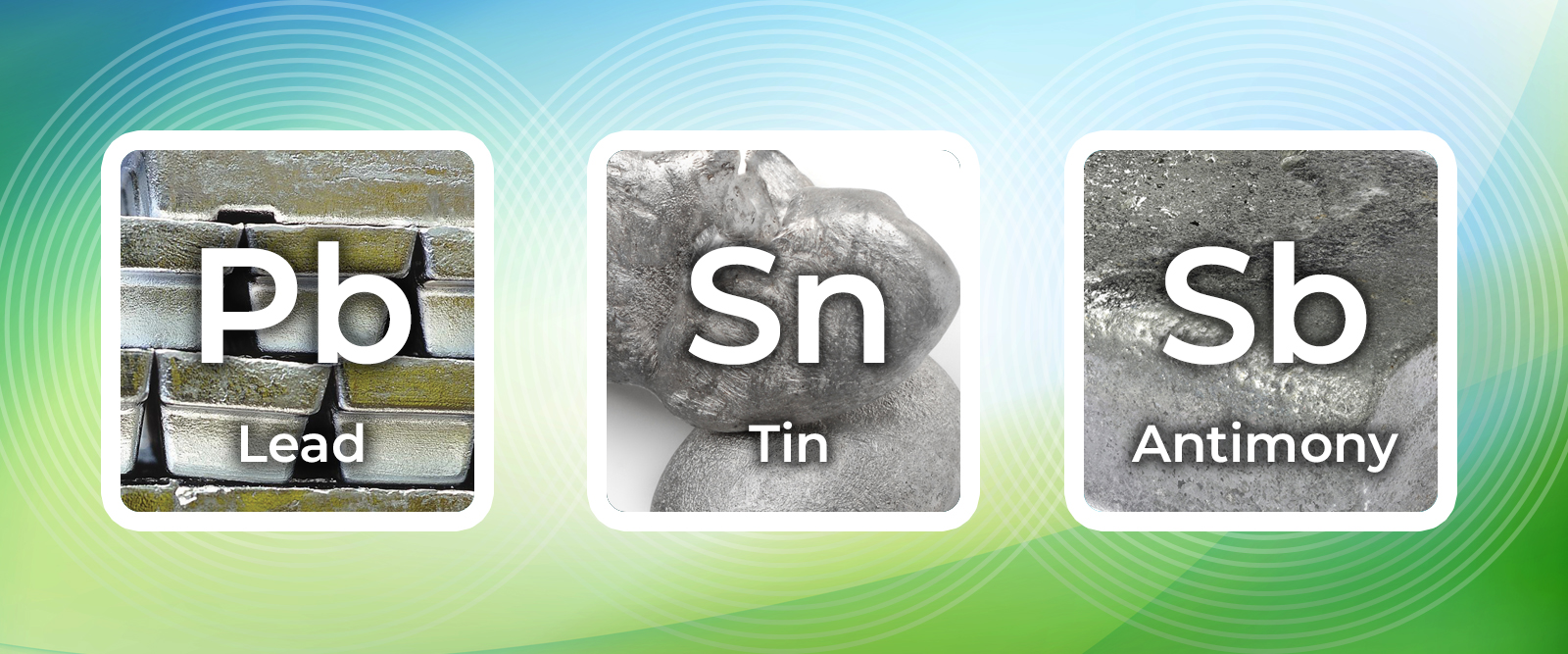
Recycled lead, tin, and antimony from spent lead batteries.

Antimony: Shielding America from Supply Chain Vulnerabilities

Antimony has been classified as a critical mineral with “elevated” supply risk. It is:

  • Used in lead batteries to improve plate strength and charging characteristics
  • Essential for flame retardants, a vital safety application
  • Critical for defense applications, including night vision goggles, explosive formulations, infrared sensors, and nuclear weapons production
  • Heavily concentrated in global supply chains, with China controlling over 60% of global mine production

The U.S. produces virtually no primary antimony and must import antimony metal to meet demand, with approximately 63% of those imports coming from China. When China announced export restrictions on antimony to the United States in December 2024, it underscored our vulnerability.

Lead battery recycling provides a domestic source of antimony. When we recycle lead batteries, we’re also recovering antimony that would otherwise need to be imported. This recycled antimony contributes to roughly 15% of U.S. antimony demand and is essentially our only domestic source of antimony.

Tin: Another Strategic Win

Tin, also on the U.S. critical minerals list, is used in protective coatings and alloys for steel and in various battery applications. In 2024, approximately 10,000 tons of tin were recovered from old scrap during battery recycling, accounting for 27% of apparent consumption—providing another vital domestic source of this strategic material.

Powering America’s Digital and Industrial Future

Our nation’s rapid expansion of data centers, AI infrastructure, and modernized logistics makes lead batteries—and therefore lead battery recycling—more important than ever. Lead batteries are critical for:

  • Data centers and AI infrastructure requiring reliable backup power for uninterrupted operations
  • Hospitals and emergency services depending on uninterruptible power supplies
  • Warehouse logistics and material handling, including forklifts, pallet jacks, and automated guided vehicles
  • Telecommunications infrastructure ensuring connectivity during power outages
  • Grid stabilization and renewable energy storage in microgrids and off-grid systems
  • Industrial equipment across manufacturing and distribution facilities
  • Automotive and transportation systems supporting starting, lighting, ignition, and auxiliary power

With billions being invested in domestic battery production and energy infrastructure, the recyclability and proven reliability of lead batteries support their continued importance in achieving our energy security and economic competitiveness goals.

A man working in a data center that is supported by lead battery back-up power.

The Unsung Heroes of America’s Supply Chain

The U.S. is investing heavily in energy infrastructure, AI, and advanced manufacturing. We must also support the recycling infrastructure that makes it all possible. The lead battery industry is a proven model of circularity, resilience, and economic impact—a benchmark for developing recycling systems for emerging battery technologies.

America truly does rely on recycled lead—for the critical infrastructure, automotive and transportation power, and energy storage that power our daily lives and national security. Yet most Americans don’t think twice about where their car battery goes after it’s replaced.

Behind that 99% recycling rate is a network of dedicated recyclers—a relatively small number of facilities across the nation—performing work that’s absolutely essential to our economy, our infrastructure, and our national security. The absence of domestic primary lead production means these men and women aren’t just environmental stewards—they’re guardians of our critical mineral supply chain and the first link in America’s industrial strength.

The next time you see a recycling facility or replace a car battery, remember: those facilities and the people who work in them aren’t just managing waste—they’re the first link in a supply chain that keeps America strong, secure, and moving forward.

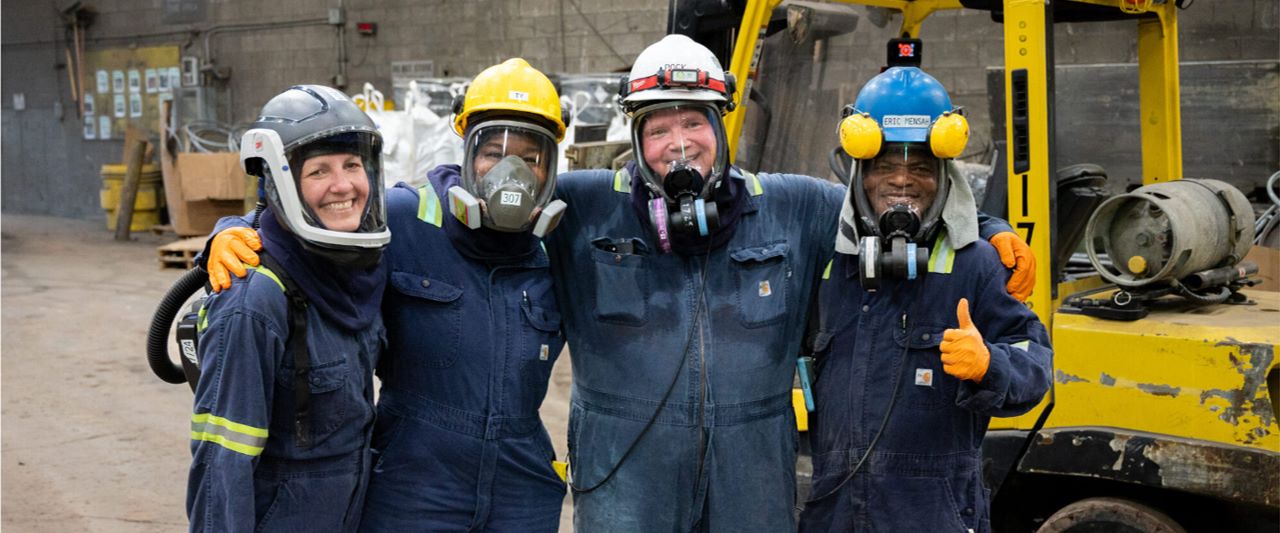
Four lead battery recycling workers outside together.

Posted in: News

Tags:

Circular Economy Month: Strengthening the Domestic Supply Chain Through Lead Battery Recycling

October 9, 2025

The lead battery circular economy provides critical minerals for the domestic supply chain for new batteries.

October is Circular Economy Month, a time to spotlight how industries are transforming waste into resources, conserving materials, and operating a closed-loop economy. The lead battery industry is a prime example of these principles in action, with batteries designed for recycling, a nationwide collection infrastructure, and zero-waste recycling practices. By reclaiming valuable materials for new batteries, the industry supports domestic supply chains for critical materials and powers vehicles, essential backup systems, and battery energy storage systems.

At the Association of Battery Recyclers (ABR), we celebrate Circular Economy Month by highlighting the economic and strategic impact of lead battery recycling—a proven model for material recovery and domestic manufacturing strength.

What Is a Circular Economy?

A circular economy is an economic model that focuses on minimizing waste, maximizing resource efficiency, and keeping materials in use for as long as possible. Unlike a traditional linear economy—take, make, dispose—a circular economy emphasizes recycling, reuse, and renewal, reducing waste while supporting long-term resource stability and growth.

Lead batteries are a real-world example of this model: nearly every component of a lead battery can be reclaimed and reused, creating a closed-loop system that ensures resource availability and reinforces domestic energy and manufacturing security.

The Lifecycle of a Lead Battery

Animated GIF with the stages of the lead battery circular economy.

The lead battery recycling process exemplifies the circular economy through a comprehensive, closed-loop lifecycle:

  1. Innovation and Design: Lead batteries are designed from the start for recyclability. Manufacturers engineer components for easy disassembly and material recovery.
  2. Manufacturing: New lead batteries are built for performance, durability, and recyclability. They typically contain up to 80% recycled materials, reducing the need for virgin lead, tin, antimony, and plastics.
  3. Use: Lead batteries provide reliable power for vehicles, industrial equipment, forklifts, telecommunications networks, data centers, and other critical infrastructure.
  4. Collection: When batteries reach the end of their life, they are returned through a nationwide infrastructure of more than 300,000 collection sites, ensuring safe handling and transport.
  5. Recycling & Material Recovery: The recycling process recovers nearly 100% of the lead, as well as plastics, sulfuric acid, tin, and antimony—all of which are repurposed into new batteries or industrial materials.
  6. Renewal: Reclaimed materials feed directly back into manufacturing, completing the loop and maintaining a steady domestic supply of critical resources.

This lifecycle keeps valuable materials in circulation, reduces dependence on imports, and strengthens domestic energy resilience.

Circular Economy Spotlight: The Sustainable Life of Lead Batteries

To illustrate the impact of lead battery recycling, ABR produced the video “Circular Economy Spotlight: The Sustainable Life of Lead Batteries.” This engaging video takes viewers on a journey through the full lifecycle of a lead battery, showcasing how design, recycling, renewal, and reuse work together to create an infinite loop that minimizes waste and keeps critical materials available to domestic manufacturers.

The video has been recognized with a Platinum Viddy Award for excellence in production and education and has reached more than 60,000 viewers across YouTube and social media. It continues to serve as a valuable resource for ABR members and stakeholders to demonstrate the circularity and reliability of lead battery recycling.

Watch the video below to discover how the lead battery industry leads the way in closed-loop practices and strengthens America’s material supply chain.

Economic Benefits and Energy Security

The lead battery circular economy plays a vital role in maintaining U.S. energy security and economic stability:

  • Job Creation: The U.S. lead battery industry supports over 106,000 jobs in manufacturing, collection, transport, and recycling operations.
  • Domestic Supply Chains: Approximately 70% of U.S. lead demand is met by domestic recyclers, reducing reliance on imported materials and keeping critical resources within reach.
  • Energy Storage Support: Lead batteries provide dependable backup power for data centers, telecommunications networks, hospitals, and industrial systems that support daily life and national operations.
Essential applications supported by lead batteries.

Environmental Benefits of Lead Battery Recycling

Lead battery recycling continues to be one of the most efficient material recovery systems in operation today:

  • Waste Avoidance: Recycling keeps materials from becoming waste, protecting soil and water quality.
  • Resource Conservation: Reclaimed lead, tin, antimony, plastic, and acid reduce the need for virgin materials, supporting a sustainable supply of critical raw materials.
  • Circular Design: Nearly all recycled materials re-enter the manufacturing process, ensuring a reliable domestic source of key resources.

Lead Battery Recycling and the Future of Energy Storage

As the demand for batteries continues to grow across sectors, lead batteries remain essential to the nation’s energy infrastructure. Their proven circular lifecycle provides a secure and scalable model for meeting the needs of an increasingly electrified economy.

Lead battery recycling supports energy security, strengthens domestic supply chains, and ensures that critical materials remain available to meet the expanding demand for backup power, mobility, and industrial energy storage.

Closing the Loop for a Secure Energy Future

The success of the lead battery circular economy proves that secure and resilient manufacturing is achievable today. By recovering and reusing materials at scale, ABR member companies keep valuable resources in circulation, reduce dependence on imports, and build a stronger domestic economy.

Recent federal discussions around designating lead as a critical mineral highlight just how vital recycling is to America’s supply chain. With no primary lead production in the United States, recycled lead from used batteries provides the nation’s only domestic source of this essential material. This closed-loop system not only conserves resources but also strengthens national security, supports domestic manufacturing, and ensures a stable supply of materials for vehicles, renewable energy storage, and backup power systems.

As industries and policymakers look for proven models of circularity, lead battery recycling stands out as one of the most efficient and effective systems in operation. The Association of Battery Recyclers will continue to promote innovation, education, and responsible recycling practices that strengthen America’s energy and manufacturing future.

Posted in: News

Tags:

Cultivating Emerging Leaders for Supervisory Roles

July 7, 2025

Collage of emerging leaders for supervisory roles in lead battery recycling facilities.

As the lead battery recycling industry continues to advance, companies across North America are investing in the next generation of leaders. From cutting-edge recycling processes to rigorous health and safety standards, this industry thrives on continuous improvement, and that includes developing people. ABR member companies are taking a proactive approach to supervisory training by identifying talent within their current workforce and equipping them to lead.

The Association of Battery Recyclers (ABR) and its members are committed to sharing knowledge that continuously improves the industry’s sustainable recycling practices, employee health and safety goals, and environmental protection standards. In this spirit of collaboration, ABR hosts regular meetings that allow members to learn from industry peers through presentations covering technical, industry, and regulatory topics. The recent ABR meeting featured a panel discussion focused on building supervisory talent from within, a critical strategy for maintaining operational excellence and innovation.

Insights from Industry Experts

Panelists included Terry Leberfinger, Vice President of Human Resources and Safety at Sanders Lead Co.; Scott Hauser, Director of Metals Operations at East Penn Manufacturing; Arlen P. Bolan, P.E., General Manager at Terrapure Environmental in Toronto; and AJ Williams, Director of Engineering and Project Execution at Ecobat. Each leader emphasized the importance of developing supervisors who understand the unique demands of lead battery recycling and can inspire and manage teams effectively.

Leverage Institutional Knowledge

A consistent theme among the panelists was the value of internal promotion. Employees working on the plant floor possess valuable institutional knowledge of systems, processes, and technologies that cannot be easily replicated with training alone. While technical expertise doesn’t automatically translate into leadership ability, employees who demonstrate initiative, reliability, and communication skills are often ideal candidates for supervisory roles.

Organizations are increasingly formalizing these development pathways with structured training programs that include:

  • Plant operations and technical training
  • Health and safety protocols
  • Environmental and regulatory compliance
  • Data analysis and documentation
  • Problem-solving and decision-making
  • Communication and team leadership

Most programs offer a mix of classroom learning, hands-on coaching, peer shadowing, and online education. Panelists emphasized the value of having candidates shadow existing supervisors to build confidence and understand leadership techniques. Because collecting, validating, and analyzing data is often a significant aspect of supervisory roles that hourly employees may not have been exposed to regularly, job shadowing also gives new supervisors an opportunity to better understand the “why” behind regulatory compliance activities.

Lead battery recycling employee shadowing another worker in a supervisory role mentorship program.

Fostering a Culture of Mentorship

Creating leadership opportunities before formal promotion is another key strategy. Panelists described how informal mentorship programs, such as peer training, onboarding guidance, and senior technician roles, help identify employees who are eager to lead. These settings also allow potential supervisors to build confidence and demonstrate their leadership style.

Top traits of emerging leaders include:

  • A natural ability to coach, guide, and inspire others
  • Strong problem-solving and follow-through
  • Effective communication and collaboration
  • Alignment with company values and vision

Soft Skills for Long-Term Success

Transitioning from peer to supervisor can be challenging. That’s why many companies prioritize soft skill development as part of their leadership training. Communication, emotional intelligence, and conflict resolution are critical tools for new supervisors, particularly in high-stakes industrial settings where team cohesion and safety are paramount.

Building the Future of Battery Recycling

ABR members are committed to driving sustainable, high-performance recycling solutions that support the lead battery circular economy. A strong pipeline of capable, well-trained supervisors ensures that we continue to meet growing environmental and manufacturing demands with innovation, integrity, and operational excellence.

Panels like this highlight how collaboration across companies can elevate the entire industry. By investing in people as much as in technology, the lead battery recycling industry is positioning itself for long-term success and helping shape the future of energy storage in North America.

Posted in: News

Tags:

Lead Battery 360° Welcomes Eight Sites as First Certification Participants

June 3, 2025

LeadBattery360 logo on green background.

Global program assessing lead battery production and recycling standards gets underway.

The Lead Battery 360° Certification program (LB360), designed to promote sustainable and responsible production and material sourcing practices in the lead battery supply chain, has reached an important milestone as the first cohort of eight sites have been accepted as participants.

Eight facilities including lead battery production and recycling facilities in Europe, North America, Asia and Mexico are taking part in the program, from the companies Clarios, East Penn Manufacturing, Ecobat, and Boliden. All have signed letters of commitment and have been accepted as participants.

In the next year, each site will undergo independent third-party assurance checks to confirm they have successfully implemented policies and practices that meet the performance expectations described in the Lead Battery 360° Code.

Under the LB360 standards, sites that are “Certified Participants” must be judged to have ‘fully met’ all performance expectations or have committed to a Performance Improvement Plan (PIP) for non-critical requirements that are considered to have been ‘partially met.’

These Certified Participants are encouraged to promote their partnership with Lead Battery 360°, highlighting their certification status and identifying them as a site that operates responsible production and material sourcing practices within the lead battery supply chain.

“BCI data shows that the vast majority of lead used in U.S. battery manufacturing comes from North American recyclers operating at the highest levels of safety and environmental standards. But we also know that other regions of the world do not operate with that same commitment to circularity and public health,” said Roger Miksad, President and Executive Director of Battery Council International. “BCI is proud of its members that have joined LB360 as part of a global effort to raise standards in low- and middle-income countries, and we are committed to sharing best-practices in pursuit of that shared goal.”

Dr Andy Bush, Executive Director of ILA, said: “For lead batteries to continue to be a product of choice it is important that companies can demonstrate they are committed to responsible manufacturing and sourcing practices. So this is a very encouraging start to the new independent certification process. We are hopeful that many more sites will apply to become participants in the next 12 months.”

“Having eight facilities join the LB360° certification program in 2025 is a fantastic start! EUROBAT members are also committed to upholding the highest environmental and safety standards, demonstrating their dedication to a sustainable future. I look forward to seeing some EUROBAT members embrace this global campaign too, setting a powerful example for others to follow,” said Gert Meylemans, General Manager at EUROBAT.

“As longtime stewards of the circular economy and empowering responsible recycling, ABR members uphold rigorous standards that safeguard workers, communities, and the environment, while ensuring the continued availability of essential recycled materials to support the lead battery supply chain and the production of new batteries vital to our energy infrastructure,” said Mark DeLaquil, General Counsel of the Association of Battery Recyclers (ABR).  “The Lead Battery 360° Certification program represents an important step toward advancing responsible production and recycling practices across the global supply chain.”


About Lead Battery 360°

In 2019, a global alliance of lead and lead battery industry groups adopted a set of seven Guiding Principles designed to help further protect workers and the environment. The Guiding Principles are designed to promote sustainable practices in three key areas. First, to encourage continuous improvement in the management of lead exposure and emissions through responsible health and safety and environmentally sound production practices. Second, to promote the adoption of responsible sourcing policies, working through supply chains to ensure that the lead used for battery manufacturing is sourced from companies that uphold high environmental, social and governance (ESG) standards. Third, to further minimize the environmental impact of used lead batteries through responsible recycling practices.


Battery Council International

Battery Council International (BCI) is the leading trade association representing the global battery industry and is the premier authority on energy storage solutions. Celebrating its 100th anniversary in 2024, BCI advocates and educates on behalf of battery manufacturers and recyclers, marketers and retailers, suppliers of raw materials and equipment, and battery distributors. With a unified voice, BCI conveys an industry-wide commitment to sustainability, safety and science. The organization continues to unite members within the battery industry to successfully communicate and protect through education, science and advocacy efforts the most successful circular economy on the planet. With 99% of used lead batteries collected and recycled in the U.S. and the typical new lead battery containing 80% or more of recycled materials, BCI supports the path toward similar sustainability goals for all other battery chemistries. For more information, visit www.batterycouncil.org


International Lead Association

ILA is the only global trade association dedicated exclusively to representing lead producers and supporting a sustainable future for lead. Many of our members are companies recycling lead from end-of-life products, contributing to a circular economy by creating economic value from waste. ILA members also produce lead from mining, smelting and refining of lead ores and concentrates. Associate members include companies with a direct interest in lead and its many important uses. www.ila-lead.org.


EUROBAT

EUROBAT is the leading association for European automotive and industrial battery manufacturers, covering all battery technologies, and has more than 30 members. The members and staff work with all policymakers, industry stakeholders, NGOs and media to highlight the important role batteries play for decarbonised mobility and energy systems as well as numerous other applications. www.eurobat.org


Association of Battery Recyclers

The Association of Battery Recyclers (ABR) represents leading North American companies and the thousands of dedicated professionals who make responsible lead battery recycling possible. Each year, these essential workers help recycle over 160 million used lead batteries, diverting them from landfills and transforming them into valuable raw materials. These recycled materials power the domestic production of new, sustainable lead batteries, advancing environmental stewardship, strengthening the circular economy, and supporting a more resilient energy future.


For more information on LB360 please contact Hywel Jarman at ILA on +44 7718 483887 or Jarman@ila-lead.org or Jeff Reeves at BCI on +1 (240) 380-0331 jereeves@batterycouncil.org.


Logos of participating organizations in LeadBattery360.

Posted in: News

Tags:

Earth Day 2025: Powering a More Resilient Energy Future Through Sustainable Battery Recycling

April 17, 2025

Renewable energy supported by sustainable lead batteries.

As we approach the 55th anniversary of Earth Day on April 22, the Association of Battery Recyclers (ABR) and its member companies are proud to reflect on the essential role our industry plays in advancing a more sustainable, resilient energy future.

This year’s Earth Day theme, Our Power, Our Planet™, calls for united global action to triple the generation of renewable electricity by 2030. As renewable energy expands, so does the need for reliable energy storage — and that’s where lead batteries play a critical role.

Lead Batteries Provide Reliable Energy Storage

Lead batteries are a trusted, proven solution for storing energy generated by solar, wind, and other renewable sources. Because renewable power often fluctuates based on weather or time of day, dependable battery storage is essential to maintain consistent energy delivery.

Lead batteries help balance supply and demand, stabilize the power grid, and provide backup energy in off-grid or remote locations. With a long-standing track record of safety, affordability, and dependability, they reduce power disruptions, increase grid reliability, and extend energy access where it’s needed most.

Wind turbines store energy using lead batteries.

Closing the Loop on Material Recovery

What truly sets lead batteries apart is their circular lifecycle. With a 99% recycling rate, lead batteries are the most recycled consumer product in the U.S. The materials recovered — including lead, plastic, and electrolytes — are reused to manufacture new batteries, minimizing waste and reducing the need for virgin resources.

ABR members have helped pioneer a closed-loop circular economy, in which nearly every component of a spent lead battery is recycled and repurposed. This approach dramatically reduces greenhouse gas emissions and energy consumption compared to mining new materials — while also ensuring that domestic manufacturers have the raw materials needed for new battery production.

In fact, approximately 80% of the material in a typical new lead battery comes from recycled sources — a powerful example of how recycling can support our domestic energy infrastructure.

A typical new lead batter is made up of 80% recycled material.

Strengthening Domestic Supply Chains

Lead battery recycling not only supports environmental sustainability — it also bolsters the U.S. supply chain. ABR members are committed to ensuring a reliable, local supply of raw materials, reducing reliance on foreign imports and supporting American manufacturing.

As the demand for energy continues to grow, so does the need for sustainable, scalable energy storage solutions. The lead battery industry stands ready to meet this demand — responsibly, efficiently, and with a continued focus on innovation and environmental stewardship.
This Earth Day, we’re proud to help power American industry — one recycled battery at a time.

Posted in: News

Tags:

ABR Circular Economy Video Honored with Top Recognition

February 13, 2025

Platinum Viddy Award statue with a clip from the award-winning Circular Economy Snapshot video from ABR.

“Circular Economy Spotlight: The Sustainable Life of Lead Batteries” Receives Prestigious Platinum Viddy Award

The Association of Battery Recyclers (ABR) is pleased to announce that our new video, Circular Economy Spotlight: The Sustainable Life of Lead Batteries,” has earned a Platinum Viddy Award, one of the highest honors in video production. This recognition reflects our commitment to producing high-quality content that engages and informs audiences on the vital and sustainable role of the lead battery recycling industry.

The video takes viewers on a compelling journey through the full lifecycle of a lead battery, showcasing how design, recycling, renewal, and reuse work together to create a sustainable loop that minimizes waste and supports a greener future. As the first video of its kind for this industry, it serves as a powerful educational tool to deepen understanding of how the circular economy reduces environmental impact while ensuring a reliable supply of essential materials for domestic lead battery manufacturing.

This ambitious project was made possible through months of collaboration with ABR members, the International Lead Association (ILA), and marketing agency Activated Growth. Leveraging cutting-edge virtual studio technology, the video creates an engaging experience that highlights the lead battery industry’s innovative approach to sustainability.

“The intent of this video is to educate,” said Rick Leiby, president of ABR. “We want people to understand how the circular economy of lead batteries plays a critical role in reducing waste, strengthening energy security, and driving economic stability. Our industry’s work is essential to powering everyday life, and this video captures that story.”

In addition to its broader industry impact, the video is also being customized for use by individual ABR members. Gopher Resource, a leading environmental solutions provider, is tailoring the content to support its outreach initiatives. “We’re excited to customize this video for Gopher Resource and incorporate it into our tradeshow and event strategy,” said Ray Krantz, director of business development at Gopher Resource. “This is a powerful way to share the story of lead battery recycling and its critical role in sustainability with our key audiences.”

Since its launch, “Circular Economy Spotlight” has already garnered over 12,000 views across YouTube and social media, a testament to its relevance and impact. It has also become a valuable resource for ABR member companies to raise awareness and educate key stakeholders about the benefits of the lead battery recycling process.

Watch the video below to discover how the lead battery industry leads the way in sustainable practices and why the circular economy matters.

About Viddy Awards

Now in its 29th year, the Viddy Awards recognize excellence in video creation, production, and delivery. Viddy is one of the oldest, largest, and most respected awards programs in the video industry. The awards are administered and judged by the Association of Marketing and Communication Professionals.

Posted in: News

Tags:

Skip to content